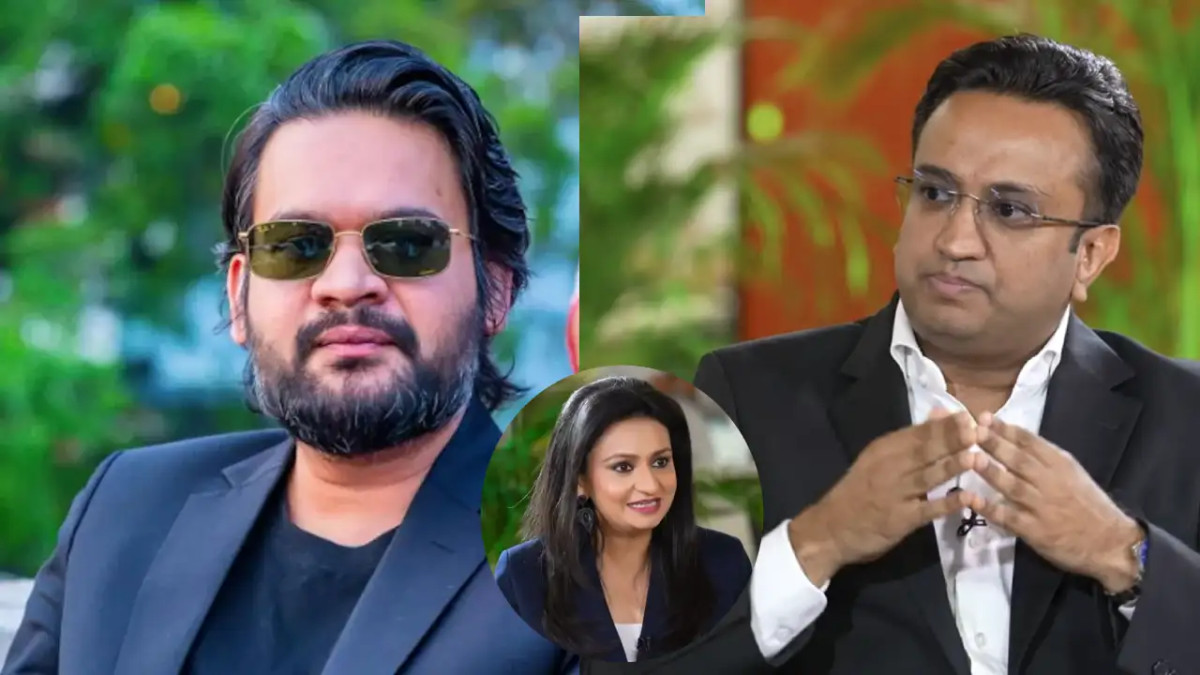






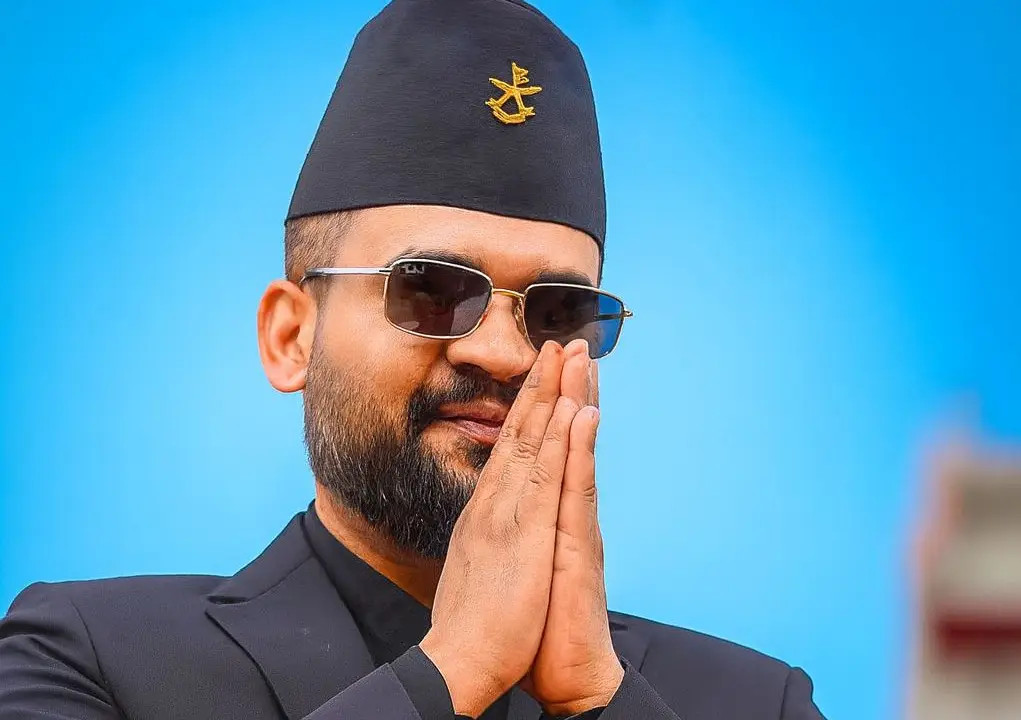
There is a growing perception in Kathmandu political circles that Balendra Shah (Balen) is slowly slipping into a dangerous zone — where charisma remains, but the window of structural political leverage is beginning to close.
Yes, Balen has an actor’s presence inside his politics — his staging, his language, his performance — all show that he understands the optics of power. But the infamous “F word” status was not just emotional. That was a risky political signaling — a frontal confrontation against power centers inside and outside Nepal.
And Balen knows exactly where he is stepping.
Nepali politics is not a game of balance. It is a game of conflict.
Whoever dares to challenge bigger power becomes a power center himself.
Balen is now playing that exact same game — a calibrated fusion of anger + strategy + theatrical timing.
History shows this pattern clearly
Before the 2008 election, Prachanda did the same.
He loudly certified that “If we lose, Delhi and Washington will win.”
He framed his party against expansionism and imperialism — and that emotional planting of nationalism converted him into the most powerful political force of that moment.
KP Oli’s love–hate dynamic with India also brought a similar surge of nationalist trust.
Gagan Thapa tried to project himself as the new generational challenger — “I will now fight Prachanda and defeat him.”
Sher Bahadur Deuba, within the Congress clan, perfected “the art of bargaining dissent” and converted factional opposition into power balance.
All these examples point to one core truth:
In Nepali politics, conflict creates power more than consensus.
And Balen right now is exactly at the initial entry point of that path.
But here lies Balen’s biggest danger
Municipal stardom never lasts long.
Popularity without organization has an extremely short half-life.
If Balen does not convert this moment into a political organization and party-building, his impact will remain limited to charisma — not systemic power.
If he does not form a party soon —
he risks becoming another “powerful within the system but limited by the system” leader.
Just like:
-
Prachanda today
-
Deuba inside Congress
-
Gagan inside the same old political architecture
This moment is not “opportunity” for Balen.
This is his test.
If he launches a party:
He will create a new political doctrine and a new “power language” inside Nepali politics — a genuine alternative.
If he delays:
History will remember him as an interesting character…
…but not as a transformational leader.